Legends & Anecdotes of Hyderabad : 36
A Laughing Legend
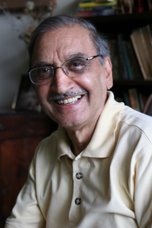
by Narendra Luther
Today Hyderabad is known as the Humour capital of India. Every year a largely attended function is held in the city and writers, poets and narrators of jokes comes from all over the country and even from abroad to attend that. It is therefore appropriate to recall the legend of Jamaluddin. He was a great wit who not only made jokes, but whose name also generated many jokes even after his death.
He was born in 1881 in Chennai into a family related to Tippu Sultan. He came to Hyderabad as a student, became a ward of Sarojini Naidu’s father and studied up to matriculation.
Jamaluddin married Ghousia Begum, a sister of Nawab Kazim Yar Jung who was a favourite of Nizam VII and his minister-in-waiting for many years. Ghousia Begum, a remarkable woman became one of the first women graduates of the state. She took keen interest in education and was one of the persons responsible for the introduction of the Montessori system of education for children in the State. For that she underwent training in England.
Due to his relationship with Nawab Kazim Yar Jung, Jamaluddin also came close to the Nizam. He was appointed to the Horticulture Department and became superintendent of the Public Gardens.
After training in gardening in Japan, Jamaluddin prepared a project for setting up a Chinese Section in the Public Garden. He promised to Nizam VII that it would cost Rs.1 lakh and take a year to complete. Exactly after a year, the Nizam came to inspect the progress. The garden was far from ready and so Jamaluddin hurriedly put some plants to give it the semblance of a garden. The Nizam pulled him up for not sticking to his commitment. Jamaluddin replied : “Exalted Highness, it is all ready except for one thing. Only volcanoes have to be imported from Japan!” The Nizam smiled and went away. Nobody else could ever fob off the Nizam like that.
Later, the Chinese Section became the best part of the Public Garden. During the period of the late N.T.R. as chief minister, this garden was turned into an open-air theatre. Part of it is now occupied by the Telugu University.
Jamaluddin’s sense of humour brought him close to many high personages including the Prince of Berar and the Junior Prince. The Prince of Berar and the Junior Prince had their own set of courtiers and nobody could be a member of both. Jamaluddin was the only exception. He dined with the Junior Prince and the Prince of Berar often dropped in the Public Gardens during his riding to have a chat or even a cup of tea with him.
Jamaluddin built a house for himself in the Red Hills in 1940 and called it the ‘Fern Villa’. It had a hall built and decorated in the Japanese style.
After his death in 1942, Jamaluddin’s son decided to sell some unserviceable articles and so he issued an ad in the papers. That came to the notice of the Nizam. One day he descended at ‘Fern Villa’ along with Nawab Zain Yar Jung who was an architect and also his minister for public works. He asked Zain Yar Jung to estimate the value of the property. Zain Yar Jung was still making mental calculations, when the Nizam burst out and asked him why he was taking so much time ? The hustled Nawab gave an estimate of Rs.2 lakhs. The Nizam decided that he would give Rs.1 lakh for the house - inclusive of everything that it contained. The Nizam gave it to his second son, Prince Maozzam Jah who stayed in it for 20 years after the police Action. Now his widow, Anwari Begum and son Shahamat Jah stay there.
Because of his unrestrained wit, many jokes came to be attributed to him - some real and some apocryphal.
A favourite was that Jamaluddin used to wear his head dress with the front facing back wards. When someone asked him why, he replied : “Suppose the Nizam suddenly comes from behind.”
Once the driver of his car asked for a screwdriver. He asked him when a driver was there what was the need for a screwdriver !
Once his servant was trying to fix a nail on the wall. Jamaluddin noticed that the head of the nail was towards the wall while the pointed end was facing the hammer. He pulled up the servant and told him that the nail in his hand was the wrong one. It was meant for the opposite wall !
While on a drive, his driver suddenly applied brakes to the car. He asked the driver what the matter was. The driver said that he had noticed a pit on the road in front of him. “Then why didn’t you blow the horn ?” asked Jamaluddin angrily.
Jamaluddin is mentioned by Siddiq Jaisi, the Urdu poet in his book on the nocturnal court of the Junior Prince. K.P.S. Menon, the famous Indian diplomat in his autobiography : ‘Many Worlds Revisited’ narrates the incident of Jamaluddin’s opposition to the suggestion of sending his daughter for higher education to Delhi. He said that it was not safe to send young girls to such far-away places alone. ‘She might get involved with somebody there’. However, he was prevailed upon to let her go. After sometime his daughter wrote to him saying how much she liked the college and that she had picked up a number of friends. She added that she had become very fond of Ping-Pong. On reading this letter, Jamaluddin’s face became red and he said : “I warned you. Look. Now she has got involved with a Chinese”.
When he died in 1942, the Nizam himself composed his epitaph which also yielded the date of his death.
Over the years, as often happens, so many jokes got pasted on to him and he became known more for his wit than for his profession. Now his name is part of the legends of Hyderabad.
* * *Archived by www.mygoldencopy.com
Wednesday, July 1, 1998

Friday, May 1, 1998
The ‘Nightingale’ of India
Legends and Anecdotes of Hyderabad: 34
The ‘Nightingale’ of India
By Narendra Luther
Sarojini Devi was born on 13th February 1879 at Hyderabad. Her father was Dr.Aghornath Chattopadhyay, the first principal of the Nizam College and a well-known social reformer of the last century in Hyderabad. She was so precocious that she finished matriculation at the age of 12 standing first in the Madras University. She wrote her first poem at 13 while struggling with a problem of Algebra.
At the age of 14, she fell in love with Dr. Govindrajulu Naidu, an army doctor. He was a widower and ten years older than her. Her parents naturally objected to such a match. She was sent to England on a scholarship and the parents hoped that she would overcome her juvenile infatuation.
There poet and critic, Edmund Gosse noticed her talent. However, advised her to abjure ‘western in feeling and in imagery’ and instead adopt the Indian idiom. She took that advice and thenceforth wrote on the variegated sights, sounds and smells of India.
Three years in London and Cambridge did not cure he of her love for Dr. Naidu. She suddenly returned to marry him. The great Andhra social reformer, Kandukuri Veerasalingam, solemnized the marriage in 1898 at Madras. Both the parties declared that hey did not belong to any religion.
The first collections of her poems: ‘The Golden Threshold’ was published in England in1916 and earned rave reviews. She named her house on the Nampally Road ‘The Golden Threshold’ after her first anthology. Six more collections followed.
Sarojini Naidu was fond of dressing elegantly and was a gourmet. Her house became a haunt for what she described as ‘miscellaneous fellows of both sexes’.
She was a devoted social worker and a crusader for the rights of women. She organized relief work in Hyderabad during the great floods in the river Musi in 1908. For that she was awarded the ‘Kaisar-e-Hind’ gold medal by the British Government. She joined the freedom movement in 1915 on the exhortation of Gokhale whom she had met in England. She became a member of the All India Home Rule League, and in 1925, the first Indian woman president of the Congress. In 1930 she was arrested for participating in the Salt Satyagraha. In 1931 she accompanied Mahatma Gandhi to the Second Round Table Conference in London. She was arrested again in 1942 during the ‘Quit India Movement’.
A brilliant orator in public, her wit was irrepressible in any company. She nicknamed Mahatma Gandhi, ‘Mickey Mouse’. Mahatma Gandhi used to travel by third class and stay in the sweepers’ colony in Delhi and elsewhere. The authorities took pains to make the train compartment as well as the colony spick and span. That led Sarojini Naidu to remark that Mahatma Gandhi did not know how much it cost the nation to keep him in poverty!
When C.Rajagopalachari became the first Indian Governor- General of India and moved into the Viceregal Lodge, he showed her the sumptuous furnishings and pointing to a huge ornate bed, remarked, “What will a simple man like me do with this?” Sarojini Devi replied, “Look, Rajajee, I have helped you in many difficult situations earlier. But I am sorry, I can’t help you in this matter”.
She was particularly close to Jawahar Lal Nehru who admired her for infusing ‘artistry and poetry into the national struggle’.
Once the last Nizam, Mir Osman Ali Khan asked her what difference she found between him and his late father. Sarojini Devi replied: “His Highness was ruled by his heart; Your Exalted Highness by your mind.” The Nizam tapped his thigh in appreciation of her apt observation.
When India became independent, she was appointed governor of UP. The Government House in Lucknow was instantly transformed into a cultural centre.
She was a Hyderabadi to the core. When the news of the fall of Hyderabad in the Police Action was conveyed to her, she reacted: “I am sorry for my State, but happy for my country”.
In 1949 she fell ill. The physician came and gave her a sleeping pill and told her reassuringly that it would give her good sleep. Sarojini Naidu smiled mischievously and said, “Not eternal sleep, I hope!” She expired during her sleep that night.
She had four children. The eldest, a son, Jaisoorya was a M.D. in allopathy but became a nationally renowned homeopath. The second son, Ranadhira was an alcoholic and died young. The next two were daughters. The elder, Padmaja, was a social worker. She remained a spinster and served as the Governor of West Bengal for ten years. The last, Leelmani studied at Oxford, taught English in the Nizam and the Women’s College and then joined the External Affairs Ministry. Out of them only one, Jaisoorya married - first a German woman, and after her death, of cancer, Dr. Dwarkabai of Guntur.
After Sarojini’s death, the ‘Golden Threshold’ was rented out to a restaurant called the ‘Neo Mysore Café’. Padmaja Naidu, the sole survivor of the family, bequeathed it to the University of Hyderabad and the dedication was done on 17th November 1975 by Indira Gandhi. Appropriately, the School of Performing Arts, Fine Arts & Communication of the University named after Sarojini have been located in the ‘Golden Threshold’.
There is a road, an Eye Hospital and a Women’s College (Vanita Mahavidyala) named after her in Hyderabad. The Sarojini Naidu Memorial Trust Library and Museum was set up in 1981 in the house in which she was born on the Jawahar Lal Nehru Road. It presents a pitiable sight today. A workshop has allegedly encroached upon a part of the premises. The State Government has not released the annual grant of 100,000 rupees for some years. Properly maintained, it could be a proud monument and a tourist attraction for the city.
* * *
Archived by www.mygoldencopy.com
The ‘Nightingale’ of India
By Narendra Luther
Sarojini Devi was born on 13th February 1879 at Hyderabad. Her father was Dr.Aghornath Chattopadhyay, the first principal of the Nizam College and a well-known social reformer of the last century in Hyderabad. She was so precocious that she finished matriculation at the age of 12 standing first in the Madras University. She wrote her first poem at 13 while struggling with a problem of Algebra.
At the age of 14, she fell in love with Dr. Govindrajulu Naidu, an army doctor. He was a widower and ten years older than her. Her parents naturally objected to such a match. She was sent to England on a scholarship and the parents hoped that she would overcome her juvenile infatuation.
There poet and critic, Edmund Gosse noticed her talent. However, advised her to abjure ‘western in feeling and in imagery’ and instead adopt the Indian idiom. She took that advice and thenceforth wrote on the variegated sights, sounds and smells of India.
Three years in London and Cambridge did not cure he of her love for Dr. Naidu. She suddenly returned to marry him. The great Andhra social reformer, Kandukuri Veerasalingam, solemnized the marriage in 1898 at Madras. Both the parties declared that hey did not belong to any religion.
The first collections of her poems: ‘The Golden Threshold’ was published in England in1916 and earned rave reviews. She named her house on the Nampally Road ‘The Golden Threshold’ after her first anthology. Six more collections followed.
Sarojini Naidu was fond of dressing elegantly and was a gourmet. Her house became a haunt for what she described as ‘miscellaneous fellows of both sexes’.
She was a devoted social worker and a crusader for the rights of women. She organized relief work in Hyderabad during the great floods in the river Musi in 1908. For that she was awarded the ‘Kaisar-e-Hind’ gold medal by the British Government. She joined the freedom movement in 1915 on the exhortation of Gokhale whom she had met in England. She became a member of the All India Home Rule League, and in 1925, the first Indian woman president of the Congress. In 1930 she was arrested for participating in the Salt Satyagraha. In 1931 she accompanied Mahatma Gandhi to the Second Round Table Conference in London. She was arrested again in 1942 during the ‘Quit India Movement’.
A brilliant orator in public, her wit was irrepressible in any company. She nicknamed Mahatma Gandhi, ‘Mickey Mouse’. Mahatma Gandhi used to travel by third class and stay in the sweepers’ colony in Delhi and elsewhere. The authorities took pains to make the train compartment as well as the colony spick and span. That led Sarojini Naidu to remark that Mahatma Gandhi did not know how much it cost the nation to keep him in poverty!
When C.Rajagopalachari became the first Indian Governor- General of India and moved into the Viceregal Lodge, he showed her the sumptuous furnishings and pointing to a huge ornate bed, remarked, “What will a simple man like me do with this?” Sarojini Devi replied, “Look, Rajajee, I have helped you in many difficult situations earlier. But I am sorry, I can’t help you in this matter”.
She was particularly close to Jawahar Lal Nehru who admired her for infusing ‘artistry and poetry into the national struggle’.
Once the last Nizam, Mir Osman Ali Khan asked her what difference she found between him and his late father. Sarojini Devi replied: “His Highness was ruled by his heart; Your Exalted Highness by your mind.” The Nizam tapped his thigh in appreciation of her apt observation.
When India became independent, she was appointed governor of UP. The Government House in Lucknow was instantly transformed into a cultural centre.
She was a Hyderabadi to the core. When the news of the fall of Hyderabad in the Police Action was conveyed to her, she reacted: “I am sorry for my State, but happy for my country”.
In 1949 she fell ill. The physician came and gave her a sleeping pill and told her reassuringly that it would give her good sleep. Sarojini Naidu smiled mischievously and said, “Not eternal sleep, I hope!” She expired during her sleep that night.
She had four children. The eldest, a son, Jaisoorya was a M.D. in allopathy but became a nationally renowned homeopath. The second son, Ranadhira was an alcoholic and died young. The next two were daughters. The elder, Padmaja, was a social worker. She remained a spinster and served as the Governor of West Bengal for ten years. The last, Leelmani studied at Oxford, taught English in the Nizam and the Women’s College and then joined the External Affairs Ministry. Out of them only one, Jaisoorya married - first a German woman, and after her death, of cancer, Dr. Dwarkabai of Guntur.
After Sarojini’s death, the ‘Golden Threshold’ was rented out to a restaurant called the ‘Neo Mysore Café’. Padmaja Naidu, the sole survivor of the family, bequeathed it to the University of Hyderabad and the dedication was done on 17th November 1975 by Indira Gandhi. Appropriately, the School of Performing Arts, Fine Arts & Communication of the University named after Sarojini have been located in the ‘Golden Threshold’.
There is a road, an Eye Hospital and a Women’s College (Vanita Mahavidyala) named after her in Hyderabad. The Sarojini Naidu Memorial Trust Library and Museum was set up in 1981 in the house in which she was born on the Jawahar Lal Nehru Road. It presents a pitiable sight today. A workshop has allegedly encroached upon a part of the premises. The State Government has not released the annual grant of 100,000 rupees for some years. Properly maintained, it could be a proud monument and a tourist attraction for the city.
* * *
Archived by www.mygoldencopy.com
The Rock-scape of Hyderabad
The Rock-scape of Hyderabad
By Narendra Luther
The 400 –year Old City of Hyderabad is known by its symbol - Charminar. A long -neglected feature is now beginning to get associated with the city—Rocks.
These rocks are part of the India Peninsular Gnessic (pronounced ‘nysic’) Complex spread over an area of approximately 20,000 square kilometers covering parts of A.P., Karnataka and Madhya Pradesh. These rocks sprang from the Earth’s crust, which is 40 kilometers deep. The radius of the earth is 6300 kilometers out of which so far it has been possible to penetrate only 13 kilometers. These rocks are one of the oldest units of the world. They are older and more stable than the Himalayas.
It is estimated that they are some 2,500 million (25 crore) years old. Life started on this planet about 8 million years ago and man emerged only 2 million years ago. That gives us an idea about the antiquity of these rocks.
Around the city, they make a fascinating landscape. They have numerous shapes and sizes. One of them looks like a vulture, another like a ‘laddu’ for giants. Yet another has been named ‘club sandwich’ for the way in which rocks are piled one upon the other. Some rocks are so delicately poised that one fears that they might fall any time. But they won't. They have weathered physical and chemical action of nature for million of years. Some rocks look as if giant children were playing with them at house- building. Then suddenly they were summoned home by their mothers for their meals.
In 1820, Meadows Taylor, on his first visit to the city noted this beauty of the city environs.
The Imperial Gazetteer of 1909 observed that "around Hyderabad and stretching as far west as Lingampalli, 15 miles from the city, tors and boulders of fantastic shapes are seen everywhere, composed of basalt and granite piled up in picturesque confusion."
Rocks help form the natural drainage system of the area and are also responsible for the existence of many lakes. Over the years because of the destruction of these rocks many such lakes have disappeared. For example there was a lake on the bend of road no: 1,opposite the Dwarka Puri Lane. Similarly, Masab Tank was, as the name implies, a lake. The lake in front of the Taj Residency hotel has been polluted because of the construction of slums in the upper part of the valley and so the lake has now more of sewerage than springs water. The Durgam Cheruvu in Jubilee Hills used to be called the ‘Secret Lake’ because it was hidden from view. Now it is threatened by construction. Same is the case with the Dargah Shah Hussain Wali Cheruvu. Rocks also support rare fauna like lizards and bats.
Not long ago, Banjara Hills used to be a forbidding territory where people used to come only for shikar and picnics.
Nawab Mehdi Nawaz Jung is responsible for the colonization of Banjara Hills. In the 1920’s he bought some 500 acres of land. In 1930 in a jumble of rocks he built himself a house with minimal disturbance to the existing rock-scape.
He used to offer lots of 5-6 acres free to his friends and others for a song, if only they would come, build and stay there. Water and electricity was provided free for six months. Not many took his offer.
In 1933 the Nobel – laureate poet of India, Rabindranath Tagore came and stayed with him for some time. He was so fascinated by the place that he said if he didn't have his Viswa Bharati to care for, he would have liked to settle down here. He wrote a beautiful poem ‘Kohsar’ on the rocks.
After the formation of Andhra Pradesh in 1956, colonization of Banjara Hills picked up. Quarrying because rampant rocks were blasted recklessly. Now there is hardly any unbuilt land left in Banjara Hills.
In 1962 Jubilee Hill Cooperative Society was formed covering an area of 1400 acres. Now it is the turn of Jubilee Hills to suffer a frenzy of construction, particularly with the emergence of the NRI phenomenon.
Large-scale blasting and cutting of rocks have upset the ecology of the area. Many lakes have been filled up. Others have dried up.
The temperature, which used to be distinctly lower in Banjara, matches that of the city. Pollution is increasing. Banjara Hills is no longer the paradise it used to be.
A few people, following the example of Nawab Mehdi Nawaz Jung, have designed their houses with due deference to the original `inhabitants' of the place - granites. But the majority of houses have copied the patterns of the plains. They have killed the rocks.
These pre-historic rocks are as much a part of our heritage as our fauna and flora and our historic buildings. In a way they are even more precious because whereas fauna and flora can be made to grow again and buildings can be renovated and recreated, these massive and hard looking rocks once destroyed will never grow back again.
On 26th January, 1996, a Society to Save Rocks was set up by some people who were keen on preserving rocks. A movement has been started now to save and preserve the remaining rocks. One way would be to develop them into picnic and tourist resorts. Atleast one ‘Rock National Park can be created in order to preserve this valuable heritage. As a result of the efforts of the Society, the government has declared nine rock formations as protected as part of the heritage under the Hyderabad Urban Development Authority Zoning Regulations. It is hoped that effective action will be taken to enforce the decision. Considering the mission of the Society, the Income Tax Department has granted exemption from tax to donations made to it.
As a part of a the campaign to promote consciousness about the value of this great asset, an artists’ camp is being organized for leading painters and artists of the country in March, 1998. They will, in their own way capture the beauty of the rocks. These paintings will then be auctioned so that they adorn the offices and residences and thus spread the message. Also it will help raise funds for the activities of the Society.
Rocks constitute a very valuable heritage of ours. Unless their destruction is stopped, our grandchildren will not know what granite is. By saving them we can preserve our present - and the future at the same time.
* * *
‘Kohsar’ – A poem on Banjara Hills
by Rabindra Nath Tagore
‘From the distance thou didst appear
barricaded in rocky aloofness
Timidly I crossed the rugged path
to find here all of a sudden
An open invitation in the sky
and friends embrace in the air
In an unknown land the voice that
seemed ever known
Revealed to me a shelter of loving intimacy’.
(1933)
The 400 –year Old City of Hyderabad is known by its symbol - Charminar. A long -neglected feature is now beginning to get associated with the city—Rocks.
These rocks are part of the India Peninsular Gnessic (pronounced ‘nysic’) Complex spread over an area of approximately 20,000 square kilometers covering parts of A.P., Karnataka and Madhya Pradesh. These rocks sprang from the Earth’s crust, which is 40 kilometers deep. The radius of the earth is 6300 kilometers out of which so far it has been possible to penetrate only 13 kilometers. These rocks are one of the oldest units of the world. They are older and more stable than the Himalayas.
It is estimated that they are some 2,500 million (25 crore) years old. Life started on this planet about 8 million years ago and man emerged only 2 million years ago. That gives us an idea about the antiquity of these rocks.
Around the city, they make a fascinating landscape. They have numerous shapes and sizes. One of them looks like a vulture, another like a ‘laddu’ for giants. Yet another has been named ‘club sandwich’ for the way in which rocks are piled one upon the other. Some rocks are so delicately poised that one fears that they might fall any time. But they won't. They have weathered physical and chemical action of nature for million of years. Some rocks look as if giant children were playing with them at house- building. Then suddenly they were summoned home by their mothers for their meals.
In 1820, Meadows Taylor, on his first visit to the city noted this beauty of the city environs.
The Imperial Gazetteer of 1909 observed that "around Hyderabad and stretching as far west as Lingampalli, 15 miles from the city, tors and boulders of fantastic shapes are seen everywhere, composed of basalt and granite piled up in picturesque confusion."
Rocks help form the natural drainage system of the area and are also responsible for the existence of many lakes. Over the years because of the destruction of these rocks many such lakes have disappeared. For example there was a lake on the bend of road no: 1,opposite the Dwarka Puri Lane. Similarly, Masab Tank was, as the name implies, a lake. The lake in front of the Taj Residency hotel has been polluted because of the construction of slums in the upper part of the valley and so the lake has now more of sewerage than springs water. The Durgam Cheruvu in Jubilee Hills used to be called the ‘Secret Lake’ because it was hidden from view. Now it is threatened by construction. Same is the case with the Dargah Shah Hussain Wali Cheruvu. Rocks also support rare fauna like lizards and bats.
Not long ago, Banjara Hills used to be a forbidding territory where people used to come only for shikar and picnics.
Nawab Mehdi Nawaz Jung is responsible for the colonization of Banjara Hills. In the 1920’s he bought some 500 acres of land. In 1930 in a jumble of rocks he built himself a house with minimal disturbance to the existing rock-scape.
He used to offer lots of 5-6 acres free to his friends and others for a song, if only they would come, build and stay there. Water and electricity was provided free for six months. Not many took his offer.
In 1933 the Nobel – laureate poet of India, Rabindranath Tagore came and stayed with him for some time. He was so fascinated by the place that he said if he didn't have his Viswa Bharati to care for, he would have liked to settle down here. He wrote a beautiful poem ‘Kohsar’ on the rocks.
After the formation of Andhra Pradesh in 1956, colonization of Banjara Hills picked up. Quarrying because rampant rocks were blasted recklessly. Now there is hardly any unbuilt land left in Banjara Hills.
In 1962 Jubilee Hill Cooperative Society was formed covering an area of 1400 acres. Now it is the turn of Jubilee Hills to suffer a frenzy of construction, particularly with the emergence of the NRI phenomenon.
Large-scale blasting and cutting of rocks have upset the ecology of the area. Many lakes have been filled up. Others have dried up.
The temperature, which used to be distinctly lower in Banjara, matches that of the city. Pollution is increasing. Banjara Hills is no longer the paradise it used to be.
A few people, following the example of Nawab Mehdi Nawaz Jung, have designed their houses with due deference to the original `inhabitants' of the place - granites. But the majority of houses have copied the patterns of the plains. They have killed the rocks.
These pre-historic rocks are as much a part of our heritage as our fauna and flora and our historic buildings. In a way they are even more precious because whereas fauna and flora can be made to grow again and buildings can be renovated and recreated, these massive and hard looking rocks once destroyed will never grow back again.
On 26th January, 1996, a Society to Save Rocks was set up by some people who were keen on preserving rocks. A movement has been started now to save and preserve the remaining rocks. One way would be to develop them into picnic and tourist resorts. Atleast one ‘Rock National Park can be created in order to preserve this valuable heritage. As a result of the efforts of the Society, the government has declared nine rock formations as protected as part of the heritage under the Hyderabad Urban Development Authority Zoning Regulations. It is hoped that effective action will be taken to enforce the decision. Considering the mission of the Society, the Income Tax Department has granted exemption from tax to donations made to it.
As a part of a the campaign to promote consciousness about the value of this great asset, an artists’ camp is being organized for leading painters and artists of the country in March, 1998. They will, in their own way capture the beauty of the rocks. These paintings will then be auctioned so that they adorn the offices and residences and thus spread the message. Also it will help raise funds for the activities of the Society.
Rocks constitute a very valuable heritage of ours. Unless their destruction is stopped, our grandchildren will not know what granite is. By saving them we can preserve our present - and the future at the same time.
* * *
‘Kohsar’ – A poem on Banjara Hills
by Rabindra Nath Tagore
‘From the distance thou didst appear
barricaded in rocky aloofness
Timidly I crossed the rugged path
to find here all of a sudden
An open invitation in the sky
and friends embrace in the air
In an unknown land the voice that
seemed ever known
Revealed to me a shelter of loving intimacy’.
(1933)
Sunday, February 1, 1998
Manik Prabhu and the Sixth Nizam
Legends & Anecdotes of Hyderabad : 30
Manik Prabhu and the Sixth Nizam
By Narendra Luther
Mir Mehboob Ali Khan was the sixth Nizam of Hyderabad. He was born in 1866 and became a ruler when he was not yet three years old. He was therefore led to the masnad by the then Prime Minister Salar Jung and the Paigah noble, Rafi-ud-Din who were, together, appointed the co-regents. He ruled for 41 years and died at the comparatively young age of 43.
He became a very popular ruler with the masses. His appeal transcended religious boundaries and both his Muslims and his Hindu subjects revered him equally. That was largely because he adopted many of the practices of the medieval rulers. He used to go about in the city incognito at night and appear at unexpected places. Sometimes he would play pranks with his unsuspecting subjects. He would thus get feedback about himself and his rule from them. In case he found some people in dire want, he would make an act of impulsive generosity. The stories about his large-heartedness spread all over the State and legends about him are still popular.
During the floods of 1908, on a suggestion by some people, he willingly performed an ‘arti’ to placate the goddess Bhavani who was believed to be responsible for the devastating floods in the river Musi. Having performed the pooja, he opened his palaces to all refugees and organized free kitchen for them.
He also acquired a reputation for curing snakebites. It was said that if anybody anywhere had been bitten by a snake, he or she could approach the ruler at any time of day and night. If the victim could not reach him in time, he could recite the name of Mehboob Ali Pasha and say ‘Mehboob Ali Pasha ki duhai’ and the snake poison would be dissipated. I have myself seen people some 90 years after his death at his grave in the compound of the Mecca Masjid to offer thanks for the snake bite which they claimed was cured merely by invoking his name.
The Muslims don’t believe in re-birth but his Hindu subjects believed that he was a reincarnation of Manik Prabhu (1817-1865) a saint from Humnabad in Bidar, a district of the former Hyderabad state, now in Karnatka. .
According to an incident recorded in the biography of the saint by Nagesh D. Sonde, Nizam V of Hyderabad, Afzal-ud-dowla (1857-1869) was childless. He was aware of Shri Manik Prabhu’s divine powers. His noblemen advised him that he should seek his blessings for getting a child. The Nizam sent one of his noblemen, Apparao Arab to Maniknagar with a gift of a jagir for Shri Manik Prabhu worth sixty thousand rupees for getting the ‘prasad’ (blessings) for a child. When Apparao Arab presented the papers of the Jagir to Shri Prabhu and requested for the prasad for the Nizam, Shri Prabhu smiled and said, “ I am a fakir. What will I do with this jagir? Why should I crave for such small gifts from mortal men. Tell your master that I am not interested in accepting this jagir. However, I shall give him prasad for progeny. He will be blessed with a son. Ask him to name the boy ‘Mehboob’”.
According to another interesting incident mentioned by Begum Bilkees Latif in her book: “Her India”, once the Nizam, Mehboob Ali Pasha had a terrible carbuncle on his back, just below his neck. It grew and grew and became very painful. He went to Maniknagar near Humnabad where he met a well-known and evolved sadhu called Shri Manik Prabhu Maharaj. Pandit Motiramji Sangeetkar who went with him, told me that this sadhu had earlier pointed to an area there and had said that a light coloured granite stone would be found there. When they started digging, they found the stone as he had said they would. Shri Manik Prabhu Maharaj, then built a temple there, of this stone. When the Nizam met him, they found themselves very much in harmony and discussed many things together amicably. The Nizam mentioned his carbuncle which was not healing. The sadhu said that his own soul would go into the Nizam’s body for a while and the Nizam’s soul would enter into his body. This they said took place somehow and the carbuncle just disappeared! When the Nizam returned to Hyderabad, he wore a gold chain across his chest like the sacred thread of the Brahmins and gave prasad to the sadhu’s followers as they said that after his temporary exchange of souls he had acquired special powers of healing. Often after this he was asked to heal those who had been bitten by snakes or were in great pain and was able to do so.
Shri Dnyanraj Prabhu, the present secretary of the Manik Prabhu Samasthan has reservation about the story. According to him, “Shri Manik Prabhu Maharaj had attained ‘jiwant samadhi’ (burying oneself alive in a pit to die) at Maniknagar on 29th November 1865, whereas Mehboob Ali Pasha was born in 1866. Hence Mehboob Ali Pasha’s contact with Shri Manik Prabhu is out of question. Shri Martand Manik Prabhu Maharaj the successor of Shri Manik Prabhu Maharaj was a contemporary of Mehboob Ali Pasha. There is every possibility that Nizam VI might have met Shri Martand Manik Prabhu who was equally qualified in spiritual wisdom as his predecessor”. He might have acquired the power from him.
Shri Samasthan Manik Prabhu is now doing research about the connections between Manik Prabhu and the Asaf Jahis and some more incidents, stories and anecdotes are likely to emerge out of that to supplement the existing lore.
Be that as it may, the legend speaks about the popularity of the sixth Nizam on the basis of his generosity and liberal outlook. It also indicates the reverence which people of the region have for the saint, Manik Prabhu.
***
Manik Prabhu and the Sixth Nizam
By Narendra Luther
Mir Mehboob Ali Khan was the sixth Nizam of Hyderabad. He was born in 1866 and became a ruler when he was not yet three years old. He was therefore led to the masnad by the then Prime Minister Salar Jung and the Paigah noble, Rafi-ud-Din who were, together, appointed the co-regents. He ruled for 41 years and died at the comparatively young age of 43.
He became a very popular ruler with the masses. His appeal transcended religious boundaries and both his Muslims and his Hindu subjects revered him equally. That was largely because he adopted many of the practices of the medieval rulers. He used to go about in the city incognito at night and appear at unexpected places. Sometimes he would play pranks with his unsuspecting subjects. He would thus get feedback about himself and his rule from them. In case he found some people in dire want, he would make an act of impulsive generosity. The stories about his large-heartedness spread all over the State and legends about him are still popular.
During the floods of 1908, on a suggestion by some people, he willingly performed an ‘arti’ to placate the goddess Bhavani who was believed to be responsible for the devastating floods in the river Musi. Having performed the pooja, he opened his palaces to all refugees and organized free kitchen for them.
He also acquired a reputation for curing snakebites. It was said that if anybody anywhere had been bitten by a snake, he or she could approach the ruler at any time of day and night. If the victim could not reach him in time, he could recite the name of Mehboob Ali Pasha and say ‘Mehboob Ali Pasha ki duhai’ and the snake poison would be dissipated. I have myself seen people some 90 years after his death at his grave in the compound of the Mecca Masjid to offer thanks for the snake bite which they claimed was cured merely by invoking his name.
The Muslims don’t believe in re-birth but his Hindu subjects believed that he was a reincarnation of Manik Prabhu (1817-1865) a saint from Humnabad in Bidar, a district of the former Hyderabad state, now in Karnatka. .
According to an incident recorded in the biography of the saint by Nagesh D. Sonde, Nizam V of Hyderabad, Afzal-ud-dowla (1857-1869) was childless. He was aware of Shri Manik Prabhu’s divine powers. His noblemen advised him that he should seek his blessings for getting a child. The Nizam sent one of his noblemen, Apparao Arab to Maniknagar with a gift of a jagir for Shri Manik Prabhu worth sixty thousand rupees for getting the ‘prasad’ (blessings) for a child. When Apparao Arab presented the papers of the Jagir to Shri Prabhu and requested for the prasad for the Nizam, Shri Prabhu smiled and said, “ I am a fakir. What will I do with this jagir? Why should I crave for such small gifts from mortal men. Tell your master that I am not interested in accepting this jagir. However, I shall give him prasad for progeny. He will be blessed with a son. Ask him to name the boy ‘Mehboob’”.
According to another interesting incident mentioned by Begum Bilkees Latif in her book: “Her India”, once the Nizam, Mehboob Ali Pasha had a terrible carbuncle on his back, just below his neck. It grew and grew and became very painful. He went to Maniknagar near Humnabad where he met a well-known and evolved sadhu called Shri Manik Prabhu Maharaj. Pandit Motiramji Sangeetkar who went with him, told me that this sadhu had earlier pointed to an area there and had said that a light coloured granite stone would be found there. When they started digging, they found the stone as he had said they would. Shri Manik Prabhu Maharaj, then built a temple there, of this stone. When the Nizam met him, they found themselves very much in harmony and discussed many things together amicably. The Nizam mentioned his carbuncle which was not healing. The sadhu said that his own soul would go into the Nizam’s body for a while and the Nizam’s soul would enter into his body. This they said took place somehow and the carbuncle just disappeared! When the Nizam returned to Hyderabad, he wore a gold chain across his chest like the sacred thread of the Brahmins and gave prasad to the sadhu’s followers as they said that after his temporary exchange of souls he had acquired special powers of healing. Often after this he was asked to heal those who had been bitten by snakes or were in great pain and was able to do so.
Shri Dnyanraj Prabhu, the present secretary of the Manik Prabhu Samasthan has reservation about the story. According to him, “Shri Manik Prabhu Maharaj had attained ‘jiwant samadhi’ (burying oneself alive in a pit to die) at Maniknagar on 29th November 1865, whereas Mehboob Ali Pasha was born in 1866. Hence Mehboob Ali Pasha’s contact with Shri Manik Prabhu is out of question. Shri Martand Manik Prabhu Maharaj the successor of Shri Manik Prabhu Maharaj was a contemporary of Mehboob Ali Pasha. There is every possibility that Nizam VI might have met Shri Martand Manik Prabhu who was equally qualified in spiritual wisdom as his predecessor”. He might have acquired the power from him.
Shri Samasthan Manik Prabhu is now doing research about the connections between Manik Prabhu and the Asaf Jahis and some more incidents, stories and anecdotes are likely to emerge out of that to supplement the existing lore.
Be that as it may, the legend speaks about the popularity of the sixth Nizam on the basis of his generosity and liberal outlook. It also indicates the reverence which people of the region have for the saint, Manik Prabhu.
***
Archived by www.mygoldencopy.com
Thursday, January 1, 1998
A Valet, a Shop, a Bazar
Legends and Anecdotes of Hyderabad: 35
A Valet, a Shop, a Bazar
By Narendra Luther
It is not only the rulers who make history. Sometime their humble servants also become legends.
One such person was Albert Abid. He was a Jew and a valet of Mir Mehboob Ali Khan, the sixth Nizam of Hyderabad (b: 1866, d: 1911). In course of time, he became quite rich and so he set up a shop where the present Palace Talkies and the Bank of Baroda are located. He called it ‘Abid & Company’. It was a big building in the Roman style. The central portion of the gallery which was semi-circular was supported by 29 twin-pillars. A number of steps led to the main building. It was the first shop – and for a long time – the only one in that area and so the place came to be known as Abid Shop. This shop was lit up in 1887 at the time of the jubilee celebrations of Queen Victoria’s reign. Gradually some more shops came to be built around it and in course of time the area from Chirag Ali Lane to the trijunction came to be known as Abid Road.
In course of time it became the most fashionable shopping mall of the city. It also came to be known variously as ‘Abid Shop’ or simply ‘Abids’. It is a road running from Gun Foundry to the Nehru Statue intersection. After the building of the Residency in early 19th century, it came to be considered part of the new emerging city. Some distance from the Gun Foundry is ‘St. George’s Church’ built in 1867. The Grammar school is also there.
Mir Osman Ali Khan, the seventh Nizam was the first to shift his residence from the old city close to the Abid area. His residence was called ‘King Kothi’. He used to visit his mother who stayed in the Purani Haveli every afternoon. He used to go via the Abid Road, take the road to Gowliguda and then proceed to the old city. That area was under the Residency which had its own police. The Residency police used to stop all traffic when the Resident’s car was passing. Once, when the Nizam was making his visit, his car was stopped by the Residency police. He got upset by this and in order not to cross the Resident’s territory, had a new road constructed. It went straight from Abid road to Afzalgunj. It is now called Jawaharlal Nehru Road. The Ramakrishna Theatre, Bachelors’ Quarters and many other buildings stand on this road today.
In course of time Abid Road became full of new fancy shops. People from distant parts of the city used to come for shopping there.
The road, which leads from Abid Road to the Nampally Railway Station called Nampally Road, had also the residence of Sarojini Naidu. It was called the ‘Golden Threshold’. Later on it was taken over by a restaurateur and run as the ‘Neo Mysore Cafe’. When the University of Hyderabad was established in 1980, this restaurant was taken over by the Government and after some restoration work the 'Golden Threshold' became the city office of the University of Hyderabad. It now houses the school of Performing Arts, Fine Arts and Communication of the University named after Sarojini Naidu.
After the integration of Hyderabad with India, a statue of Pandit Nehru was put up at the crossroad opposite the original Abid shop. It was made into a traffic island full of greenery around the statue. But due to increase in the traffic the island was removed and now only the statue remains. By the side of the statue there used to be the main post office of the old Hyderabad State. A new building was constructed in 1983 to house the General Post Office of the city. By the side of that the Municipal Corporation constructed a multi-storey parking lot. At the St. George’s Church and the Grammar School, the road bifurcates - one going to the ‘King Kothi’ – residence of the last Nizam. On the way is the Taj Hotel. At one time it used to be the tallest building in the area and one could have a special meal for Rs.2. Now the same meal costs over Rs.20 and the building is dwarfed by many other buildings close to it. The other road goes towards Fateh Maidan in Basheerbagh and from thereon to Secunderabad. On the Abid Road there also used to be an old-type restaurant called ‘Three Aces’ which has since been demolished.
Now Abids has undergone so much change and the traffic has become so congested that first it was declared one-way road and one had to pay for parking. Recently parking has been entirely prohibited and all vehicles are required to be parked in the Municipal parking lot.
Lately, a number of new shopping areas, even more glamorous than Abids have sprung up in various part of the city. But still the hangover of the old days remains and it has an attraction of its own. Abid Road is also been modernized and some of the old shops have been renovated or demolished and new shops have come into their places. However, the Abid shop, Abid Road or simply Abids remains one of the landmarks of the city and perhaps next to Charminar it has become a symbol of the ‘new’ city which is also now becoming old.
Abids also is a pointer to the changes overtaking the city and underlines the fact that nothing remains modern forever. Times changes and along with that fashions and areas which were once new and most fashionable gradually become old and decrepit. Abid Road now stands at that threshold and in two years will enter the second century of its existence. Like Connaught Place of Delhi, a number of people avoid going there and do their shopping in numerous other smaller markets and malls all over the city. But inspite of all that Abids still remains the ultimate shopping bazar of the city.
* * *
Archived by www.mygoldencopy.com
A Valet, a Shop, a Bazar
By Narendra Luther
It is not only the rulers who make history. Sometime their humble servants also become legends.
One such person was Albert Abid. He was a Jew and a valet of Mir Mehboob Ali Khan, the sixth Nizam of Hyderabad (b: 1866, d: 1911). In course of time, he became quite rich and so he set up a shop where the present Palace Talkies and the Bank of Baroda are located. He called it ‘Abid & Company’. It was a big building in the Roman style. The central portion of the gallery which was semi-circular was supported by 29 twin-pillars. A number of steps led to the main building. It was the first shop – and for a long time – the only one in that area and so the place came to be known as Abid Shop. This shop was lit up in 1887 at the time of the jubilee celebrations of Queen Victoria’s reign. Gradually some more shops came to be built around it and in course of time the area from Chirag Ali Lane to the trijunction came to be known as Abid Road.
In course of time it became the most fashionable shopping mall of the city. It also came to be known variously as ‘Abid Shop’ or simply ‘Abids’. It is a road running from Gun Foundry to the Nehru Statue intersection. After the building of the Residency in early 19th century, it came to be considered part of the new emerging city. Some distance from the Gun Foundry is ‘St. George’s Church’ built in 1867. The Grammar school is also there.
Mir Osman Ali Khan, the seventh Nizam was the first to shift his residence from the old city close to the Abid area. His residence was called ‘King Kothi’. He used to visit his mother who stayed in the Purani Haveli every afternoon. He used to go via the Abid Road, take the road to Gowliguda and then proceed to the old city. That area was under the Residency which had its own police. The Residency police used to stop all traffic when the Resident’s car was passing. Once, when the Nizam was making his visit, his car was stopped by the Residency police. He got upset by this and in order not to cross the Resident’s territory, had a new road constructed. It went straight from Abid road to Afzalgunj. It is now called Jawaharlal Nehru Road. The Ramakrishna Theatre, Bachelors’ Quarters and many other buildings stand on this road today.
In course of time Abid Road became full of new fancy shops. People from distant parts of the city used to come for shopping there.
The road, which leads from Abid Road to the Nampally Railway Station called Nampally Road, had also the residence of Sarojini Naidu. It was called the ‘Golden Threshold’. Later on it was taken over by a restaurateur and run as the ‘Neo Mysore Cafe’. When the University of Hyderabad was established in 1980, this restaurant was taken over by the Government and after some restoration work the 'Golden Threshold' became the city office of the University of Hyderabad. It now houses the school of Performing Arts, Fine Arts and Communication of the University named after Sarojini Naidu.
After the integration of Hyderabad with India, a statue of Pandit Nehru was put up at the crossroad opposite the original Abid shop. It was made into a traffic island full of greenery around the statue. But due to increase in the traffic the island was removed and now only the statue remains. By the side of the statue there used to be the main post office of the old Hyderabad State. A new building was constructed in 1983 to house the General Post Office of the city. By the side of that the Municipal Corporation constructed a multi-storey parking lot. At the St. George’s Church and the Grammar School, the road bifurcates - one going to the ‘King Kothi’ – residence of the last Nizam. On the way is the Taj Hotel. At one time it used to be the tallest building in the area and one could have a special meal for Rs.2. Now the same meal costs over Rs.20 and the building is dwarfed by many other buildings close to it. The other road goes towards Fateh Maidan in Basheerbagh and from thereon to Secunderabad. On the Abid Road there also used to be an old-type restaurant called ‘Three Aces’ which has since been demolished.
Now Abids has undergone so much change and the traffic has become so congested that first it was declared one-way road and one had to pay for parking. Recently parking has been entirely prohibited and all vehicles are required to be parked in the Municipal parking lot.
Lately, a number of new shopping areas, even more glamorous than Abids have sprung up in various part of the city. But still the hangover of the old days remains and it has an attraction of its own. Abid Road is also been modernized and some of the old shops have been renovated or demolished and new shops have come into their places. However, the Abid shop, Abid Road or simply Abids remains one of the landmarks of the city and perhaps next to Charminar it has become a symbol of the ‘new’ city which is also now becoming old.
Abids also is a pointer to the changes overtaking the city and underlines the fact that nothing remains modern forever. Times changes and along with that fashions and areas which were once new and most fashionable gradually become old and decrepit. Abid Road now stands at that threshold and in two years will enter the second century of its existence. Like Connaught Place of Delhi, a number of people avoid going there and do their shopping in numerous other smaller markets and malls all over the city. But inspite of all that Abids still remains the ultimate shopping bazar of the city.
* * *
Archived by www.mygoldencopy.com
Monday, December 1, 1997
How the King Kothi got its name
Legends and Anecdotes of Hyderabad : 33
How the King Kothi got its name
By Narendra Luther
The founder of Hyderabad, Mohammad Quli Qutb Shah had constructed, amongst other 14 palaces in the new city. His successors added to them from time to time. However, during the prolonged siege of the fort and occupation of the city by Aurangazeb in 1687 and the years that followed, most of those palaces were destroyed. When the foundations of the High Court building were dug in 1915, ruins of two of the palaces built by the founder, namely Hina Mahal and Nadi Mahal were unearthed.
When the Asaf Jahi rule started in 1724, Aurangabad was made the capital of the Deccan province of which Hyderabad was a part. However, after the demise of Asaf Jah I, due to internecine warfare amongst his immediate three successors, quite a good deal of the territory of the Deccan province was lost first to the French and then to the English. The Second Asaf Jah, Mir Nizam Ali Khan shifted his capital to Hyderabad in 1763. That necessitated the use of a palace by the Nizam and also a number of deodies and mansions for the nobles. The city then began to regain its earlier glory.
There used to be a palace where the present ‘Chow Mohalla’ palace complex stands. It was built by the Qutb Shahis. Asaf Jah II selected that place for his residence and a number of buildings were added to it. There were four principal palaces in that area viz., Afzal Mahal, Aftab Mahal, Mahtab Mahal and Tahniyat Mahal. It is said that they were a replica of the palaces of the Shah of Iran. Besides, there were the Jilo Khana, Khilwat Mubarak, Chandini Begum ki Haveli, Bakshi Begum ki Haveli, Manjli Begum ki Haveli, Moti Bangla, Shadi Khana etc. The third Nizam also stayed here as also the fifth Nizam.
The British did not want the sixth Nizam as a young man to live within the female quarters but to stay independently so as to devote his attention to his education. He therefore moved to what is called Purani Haveli. He was allowed to pay weekly visit to the old palace to see his mother and others. According to some this mansion was the palace of Mir Momin, the prime minister of Mohammad Quli Qutb Shah and later came into the possession of Ruknuddin, finally becoming the property of the Nizams. A number of buildings on both sides of the main palace were added to it for Mir Mehboob Ali Khan.
The seventh Nizam, Mir Osman Ali Khan was born there in 1886 and also stayed there during his early life. However, by that time the city had expanded a great deal; towards the north and east and he wanted to stay in the newer part of the city. When he was looking around for a suitable building he came upon one built by one of the Jamedars, Kamal Khan. The mansion was purchased from Kamal Khan and used as his residence. There was however, one hitch. Kamal Khan had put his initials ‘KK’ all over the building and its furniture and fittings. It was therefore a problem to remove those initials without disfiguring the building and furniture. At that time some clever courtier suggested to the Nizam that instead of removing those initials, a suitable name to the new residence of the Nizam which could make appropriate use of the initials. The name suggested was King Kothi. It was a hybrid name half English and half Urdu and sounds rather strange to Indian ears. Also, we associate ‘palace’ with the residence of a ruler and nor merely a ‘kothi’ which means a bungalow or at best a mansion.
The King Kothi complex had several buildings in two groups. The western half of the building was known as ‘Nazri Bagh’. The Nizam used to stay there. The entrance to that had always a thick tarpaulin curtain draped on it. It therefore came to be known as the ‘Purdah Gate’. In course of time, the purdah (curtain) became to look quite shabby but it wasn’t replaced. One couldn’t imagine that the ruler of the largest Indian State and the richest man of the world had his residence behind that shabby curtain.
Incidentally, it is interesting to note that no Nizam ever sat on the throne, or wore a crown. Also unlike most rulers, they were buried unostentatiously in simple graves - most of them in the compound of the Mecca Masjid and only two of them outside. It is therefore not surprising that residence of the last Nizam was a ‘kothi’ and not a palace.
Though he stayed in King Kothi, the seventh Nizam religiously visited the Purani Haveli every evening to pay his respects to his mother. When he drove in the old car, the traffic on the route was stopped by the blow of four whistles of policemen on duty and people had to either to prostrate to pay their respects to him, or to disappear into the adjoining streets.
The Nizam died in 1967. In 1980 the Government of Andhra Pradesh converted the eastern half of the building into a general hospital and named it The King Kothi Hospital. The Nazri Bagh area has been walled of and continues to belong to the private estate of the Nizam.
The Nazri Bagh is closed and is not open to the public.
How the King Kothi got its name
By Narendra Luther
The founder of Hyderabad, Mohammad Quli Qutb Shah had constructed, amongst other 14 palaces in the new city. His successors added to them from time to time. However, during the prolonged siege of the fort and occupation of the city by Aurangazeb in 1687 and the years that followed, most of those palaces were destroyed. When the foundations of the High Court building were dug in 1915, ruins of two of the palaces built by the founder, namely Hina Mahal and Nadi Mahal were unearthed.
When the Asaf Jahi rule started in 1724, Aurangabad was made the capital of the Deccan province of which Hyderabad was a part. However, after the demise of Asaf Jah I, due to internecine warfare amongst his immediate three successors, quite a good deal of the territory of the Deccan province was lost first to the French and then to the English. The Second Asaf Jah, Mir Nizam Ali Khan shifted his capital to Hyderabad in 1763. That necessitated the use of a palace by the Nizam and also a number of deodies and mansions for the nobles. The city then began to regain its earlier glory.
There used to be a palace where the present ‘Chow Mohalla’ palace complex stands. It was built by the Qutb Shahis. Asaf Jah II selected that place for his residence and a number of buildings were added to it. There were four principal palaces in that area viz., Afzal Mahal, Aftab Mahal, Mahtab Mahal and Tahniyat Mahal. It is said that they were a replica of the palaces of the Shah of Iran. Besides, there were the Jilo Khana, Khilwat Mubarak, Chandini Begum ki Haveli, Bakshi Begum ki Haveli, Manjli Begum ki Haveli, Moti Bangla, Shadi Khana etc. The third Nizam also stayed here as also the fifth Nizam.
The British did not want the sixth Nizam as a young man to live within the female quarters but to stay independently so as to devote his attention to his education. He therefore moved to what is called Purani Haveli. He was allowed to pay weekly visit to the old palace to see his mother and others. According to some this mansion was the palace of Mir Momin, the prime minister of Mohammad Quli Qutb Shah and later came into the possession of Ruknuddin, finally becoming the property of the Nizams. A number of buildings on both sides of the main palace were added to it for Mir Mehboob Ali Khan.
The seventh Nizam, Mir Osman Ali Khan was born there in 1886 and also stayed there during his early life. However, by that time the city had expanded a great deal; towards the north and east and he wanted to stay in the newer part of the city. When he was looking around for a suitable building he came upon one built by one of the Jamedars, Kamal Khan. The mansion was purchased from Kamal Khan and used as his residence. There was however, one hitch. Kamal Khan had put his initials ‘KK’ all over the building and its furniture and fittings. It was therefore a problem to remove those initials without disfiguring the building and furniture. At that time some clever courtier suggested to the Nizam that instead of removing those initials, a suitable name to the new residence of the Nizam which could make appropriate use of the initials. The name suggested was King Kothi. It was a hybrid name half English and half Urdu and sounds rather strange to Indian ears. Also, we associate ‘palace’ with the residence of a ruler and nor merely a ‘kothi’ which means a bungalow or at best a mansion.
The King Kothi complex had several buildings in two groups. The western half of the building was known as ‘Nazri Bagh’. The Nizam used to stay there. The entrance to that had always a thick tarpaulin curtain draped on it. It therefore came to be known as the ‘Purdah Gate’. In course of time, the purdah (curtain) became to look quite shabby but it wasn’t replaced. One couldn’t imagine that the ruler of the largest Indian State and the richest man of the world had his residence behind that shabby curtain.
Incidentally, it is interesting to note that no Nizam ever sat on the throne, or wore a crown. Also unlike most rulers, they were buried unostentatiously in simple graves - most of them in the compound of the Mecca Masjid and only two of them outside. It is therefore not surprising that residence of the last Nizam was a ‘kothi’ and not a palace.
Though he stayed in King Kothi, the seventh Nizam religiously visited the Purani Haveli every evening to pay his respects to his mother. When he drove in the old car, the traffic on the route was stopped by the blow of four whistles of policemen on duty and people had to either to prostrate to pay their respects to him, or to disappear into the adjoining streets.
The Nizam died in 1967. In 1980 the Government of Andhra Pradesh converted the eastern half of the building into a general hospital and named it The King Kothi Hospital. The Nazri Bagh area has been walled of and continues to belong to the private estate of the Nizam.
The Nazri Bagh is closed and is not open to the public.
***
Archived by www.mygoldencopy.com
Archived by www.mygoldencopy.com
Saturday, November 1, 1997
The Hill Fort Palace
Legends and anecdote of Hyderabad : 29
The Hill Fort Palace
by Narendra Luther
The eldest son of Nizam VII, Prince Azam Jah- the Prince of Berar stayed in the ‘Bella Vista’ (described in the last issue). The younger son, Prince Moazzam Jah, generally referred to as the Junior Prince, stayed in the ‘Hill Fort Palace’. Both buildings commanded a beautiful view of the Hussain Sagar Lake almost at right angles to each other. Incidentally, while the ‘Bella Vista’ was originally built by Nawab Hakim-du-dowla in 1905, the ‘Hill Fort Palace’ was built by his cousin, Sir Nizamat Jung ten years later. Both were chief justices of the State in their time. Sir Nizamat rose to be a minister later.
Sir Nizamat Jung suffered from asthma in 1915 and he was advised to stay in an open place with fresh air. Thereupon he bought a piece of five acres of land for Rs.100 and proceeded to built a residence for himself. Its architectural style was based on the Trinity College in Cambridge where he had studied, and the castles described in the novels of Sir Walter Scott. The building was completed in 1915 and named the ‘Hill Fort Palace’. He lived in it for 15 years. After a visit to Mecca on his retirement in 1929, he decided to live a simpler life and so decided to sell the property. The Nizam then bought the building. as he had earlier bought the ‘Bella Vista’. Sir Nizamat asked for a price of Rs.1,00,000 - the amount which he had spent and refused to take any appreciation. Out of that amount, he requested for adjustment of the amount of two loans which he had taken for building the house and for the purchase of a car. The net price was Rs.67,000.
The ‘Hill Fort Palace’ was then allotted to the Junior Prince as his official residence in his capacity as the chairman of the City Improvement Board. He was married to Princess Niloufer who was the first cousin of the wife of the Prince of Berar, who, in turn, was the only child of the last Caliph of Turkey.
The Prince who was a poet sported the pen-name of ‘Shajih’. He used to live lavishly and held his ‘court’ at night, sleeping during the day. Every evening a selected gathering of nobles and some poets was invited to dine with him. After that a mehfil was arranged which lasted throughout the night. At that mehfil mostly poetry composed by him was sung by professional singers. Early in the morning the ‘court’ would be dismissed and the Prince would take two sleeping pills and go to bed. Some well known poets came to be associated with his ‘court’.
On every Idd he used to buy a new suit of clothes consisting of a sherwani and a pyjama which was presented to all his courtiers. For himself when he made a purchase, Burton’s Shop in Secunderabad was closed to all other customers except the wives of European military officers. The Prince never purchased a piece. He would buy a whole roll. The idea was that nobody else should wear a sherwani made of a cloth similar to the one that he had purchased.
For Idd, agents were sent to different parts of the country to select and invite singers and dancers. Amongst them was also Begum Akhtar who at that time was known as Akhtari Bai Faizabadi. Valuable gifts were given to them and on their departure. There is an account of the gifts given to her by Sidq Jaisi. The lavish lifestyle of the Prince landed him in debts from all and sundry. Ultimately, the Nizam had to bail him and his elder brother out of the huge debts which they had incurred.
Due to different lifestyle and values, the Prince and Princess Niloufer could not live together for long. In 1948, they had a divorce. The Nizam created a trust for her maintenance and Niloufer then left India and settled in France where she died some years ago. The Prince used mostly to compose lyrical poetry of a lighter type. It is still sung in many mehfils of Hyderabad by ghazal singers.
After the Police Action, the mansion became the property of the government and the Prince moved out to stay in the ‘Fern Villa’ - the former residence of the former Superintendent of Public Gardens and the legendary wit of Hyderabad, Jamaluddin.
The Hill Fort Palace was used for some time as an office by the newly-appointed Development Commissioner of the State, the late Zahir Ahmed.
In 1955 the building was leased to the Ritz Hotel company for running a hotel there. For many years the Ritz Hotel was the most modern and the best hotel in Hyderabad. Its retained its old word charm till the very end and many old-timers still used to prefer to stay there rather than the more modern hotel which came up later in the city.
In 1989 the government decided to terminate the lease and after protracted legal battles, ultimately the building reverted to government in 1997. There were various proposals about the use to which it should be put - as a State guest house, or as a residence for the chief minister. Finally, it was decided to run it as a Heritage Hotel. International consultants are being appointed for that purpose for selecting a private party to run it. The building is now nearly 85 years old and has been witness to so much history and has generated so many legends and anecdotes. Hopefully, they will be kept in mind before its renewal and reuse.
Buildings, like individuals, undergo changes. The only difference is that whereas individuals have a limited lease of life, if properly cared for, buildings can last a long long time. One therefore wishes the Hill Fort Palace a long and prosperous life in the next stage of its career.
***
The Hill Fort Palace
by Narendra Luther
The eldest son of Nizam VII, Prince Azam Jah- the Prince of Berar stayed in the ‘Bella Vista’ (described in the last issue). The younger son, Prince Moazzam Jah, generally referred to as the Junior Prince, stayed in the ‘Hill Fort Palace’. Both buildings commanded a beautiful view of the Hussain Sagar Lake almost at right angles to each other. Incidentally, while the ‘Bella Vista’ was originally built by Nawab Hakim-du-dowla in 1905, the ‘Hill Fort Palace’ was built by his cousin, Sir Nizamat Jung ten years later. Both were chief justices of the State in their time. Sir Nizamat rose to be a minister later.
Sir Nizamat Jung suffered from asthma in 1915 and he was advised to stay in an open place with fresh air. Thereupon he bought a piece of five acres of land for Rs.100 and proceeded to built a residence for himself. Its architectural style was based on the Trinity College in Cambridge where he had studied, and the castles described in the novels of Sir Walter Scott. The building was completed in 1915 and named the ‘Hill Fort Palace’. He lived in it for 15 years. After a visit to Mecca on his retirement in 1929, he decided to live a simpler life and so decided to sell the property. The Nizam then bought the building. as he had earlier bought the ‘Bella Vista’. Sir Nizamat asked for a price of Rs.1,00,000 - the amount which he had spent and refused to take any appreciation. Out of that amount, he requested for adjustment of the amount of two loans which he had taken for building the house and for the purchase of a car. The net price was Rs.67,000.
The ‘Hill Fort Palace’ was then allotted to the Junior Prince as his official residence in his capacity as the chairman of the City Improvement Board. He was married to Princess Niloufer who was the first cousin of the wife of the Prince of Berar, who, in turn, was the only child of the last Caliph of Turkey.
The Prince who was a poet sported the pen-name of ‘Shajih’. He used to live lavishly and held his ‘court’ at night, sleeping during the day. Every evening a selected gathering of nobles and some poets was invited to dine with him. After that a mehfil was arranged which lasted throughout the night. At that mehfil mostly poetry composed by him was sung by professional singers. Early in the morning the ‘court’ would be dismissed and the Prince would take two sleeping pills and go to bed. Some well known poets came to be associated with his ‘court’.
On every Idd he used to buy a new suit of clothes consisting of a sherwani and a pyjama which was presented to all his courtiers. For himself when he made a purchase, Burton’s Shop in Secunderabad was closed to all other customers except the wives of European military officers. The Prince never purchased a piece. He would buy a whole roll. The idea was that nobody else should wear a sherwani made of a cloth similar to the one that he had purchased.
For Idd, agents were sent to different parts of the country to select and invite singers and dancers. Amongst them was also Begum Akhtar who at that time was known as Akhtari Bai Faizabadi. Valuable gifts were given to them and on their departure. There is an account of the gifts given to her by Sidq Jaisi. The lavish lifestyle of the Prince landed him in debts from all and sundry. Ultimately, the Nizam had to bail him and his elder brother out of the huge debts which they had incurred.
Due to different lifestyle and values, the Prince and Princess Niloufer could not live together for long. In 1948, they had a divorce. The Nizam created a trust for her maintenance and Niloufer then left India and settled in France where she died some years ago. The Prince used mostly to compose lyrical poetry of a lighter type. It is still sung in many mehfils of Hyderabad by ghazal singers.
After the Police Action, the mansion became the property of the government and the Prince moved out to stay in the ‘Fern Villa’ - the former residence of the former Superintendent of Public Gardens and the legendary wit of Hyderabad, Jamaluddin.
The Hill Fort Palace was used for some time as an office by the newly-appointed Development Commissioner of the State, the late Zahir Ahmed.
In 1955 the building was leased to the Ritz Hotel company for running a hotel there. For many years the Ritz Hotel was the most modern and the best hotel in Hyderabad. Its retained its old word charm till the very end and many old-timers still used to prefer to stay there rather than the more modern hotel which came up later in the city.
In 1989 the government decided to terminate the lease and after protracted legal battles, ultimately the building reverted to government in 1997. There were various proposals about the use to which it should be put - as a State guest house, or as a residence for the chief minister. Finally, it was decided to run it as a Heritage Hotel. International consultants are being appointed for that purpose for selecting a private party to run it. The building is now nearly 85 years old and has been witness to so much history and has generated so many legends and anecdotes. Hopefully, they will be kept in mind before its renewal and reuse.
Buildings, like individuals, undergo changes. The only difference is that whereas individuals have a limited lease of life, if properly cared for, buildings can last a long long time. One therefore wishes the Hill Fort Palace a long and prosperous life in the next stage of its career.
***
Archived by www.mygoldencopy.com
Subscribe to:
Posts (Atom)